Mastering Sublimation with the American Flag Thin Silver Line Tumbler Design: A Comprehensive Guide
In the rapidly evolving world of custom merchandise and personalized gifts, sublimation printing has emerged as a cornerstone technique for creators, small business owners, and hobbyists alike. Among the most popular items to customize are stainless steel tumblers, which serve as both functional daily accessories and canvases for artistic expression. One design that has captured significant attention is the American Flag Thin Silver Line Tumbler wrap. This specific design combines patriotic symbolism with a tribute to law enforcement, security professionals, and private investigators, making it a meaningful choice for many consumers. However, successfully transferring this digital artwork onto a physical product requires more than just a printer; it demands an understanding of file formats, dimensions, and the technical nuances of sublimation.
Understanding the Digital Asset: What You Are Buying
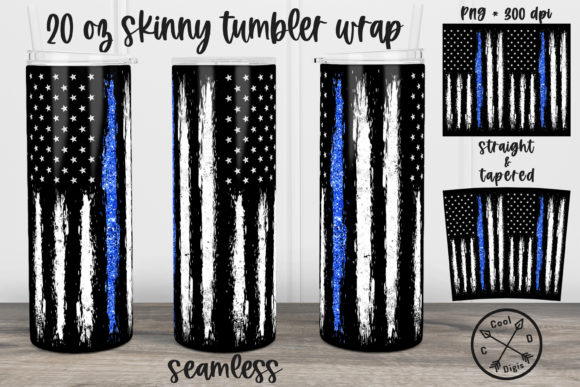
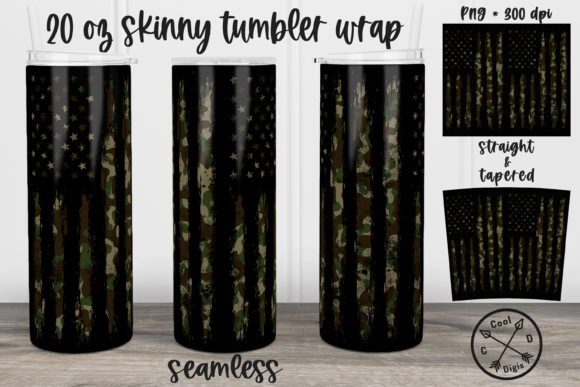
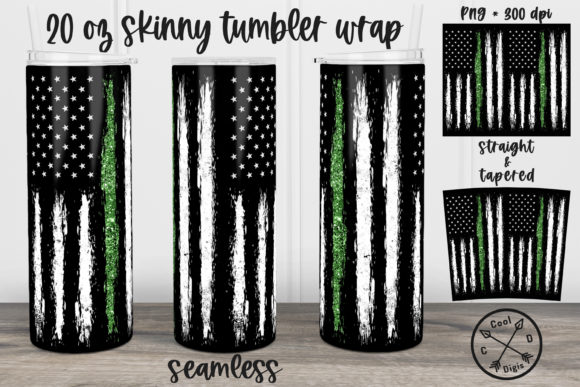
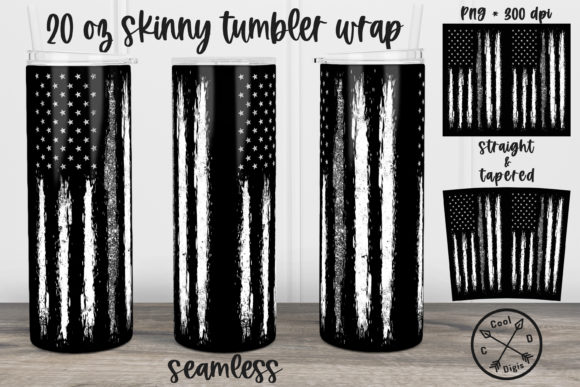
When you purchase a digital download for sublimation, such as the Seamless American Flag 20oz tumbler wrap, you are acquiring a high-resolution digital file rather than a physical product. This distinction is crucial for beginners who may be unfamiliar with the workflow. The collection typically includes two high-quality PNG files housed in a ZIP folder. These files are specifically engineered to fit 20oz Skinny tumblers, one of the most common sizes in the promotional products industry.
The design features a Grunge American Flag aesthetic, which adds texture and depth, preventing the image from looking flat or generic. The "Thin Silver Line" is a subtle yet powerful element, representing those who work behind the scenes to ensure safety and security. Because the file is provided in 300 dpi RGB resolution, it ensures that when printed, the edges remain crisp, and the colors remain vibrant. The resolution is a critical factor; low-resolution images often result in pixelated or blurry prints, which can ruin the professional appearance of the final product.
Straight vs. Tapered Designs: Why It Matters
One of the most common questions among new sublimators is the difference between straight and tapered designs. Although both files in this collection share the same dimensions—9.3″ x 8.2″—they are optimized for different physical shapes.
- Straight Wraps: These are designed for tumblers that have a consistent diameter from top to bottom. If your tumbler is a perfect cylinder, a straight wrap will align perfectly without distortion.
- Tapered Wraps: Many 20oz skinny tumblers are slightly tapered, meaning they are narrower at the bottom than at the top. A tapered design accounts for this geometric difference. If you use a straight design on a tapered tumbler, you may notice gaps or overlapping patterns at the seam. Conversely, using a tapered design on a straight tumbler might cause slight stretching. Understanding this distinction ensures a seamless finish.
It is important to note that while these dimensions are standard for 20oz skinny tumblers, the design is versatile. As stated in the product details, the image is large and can be resized to fit other needs without losing quality, provided you maintain the aspect ratio and resolution integrity.
The Versatility of Sublimation Files
While the primary intended use for this DIGITAL DOWNLOAD is for tumblers, the utility of high-resolution PNG files extends far beyond drinkware. Sublimation ink bonds with polyester fibers and polymer coatings, which opens up a wide array of creative possibilities. Here are several ways you can utilize this American Flag Thin Silver Line design:
- Textile Printing: You can sublimate this design onto polyester t-shirts, tote bags, or aprons. The grunge texture of the flag translates well to fabric, giving it a vintage, worn-in look that is currently fashionable.
- Gift Wrap and Paper Products: For unique gift presentations, the design can be printed on sublimation-friendly paper or used as a web background for digital invitations and e-cards.
- Metal and Hard Surfaces: Beyond tumblers, the design works on aluminum panels, keychains, and mouse pads, provided they have a polymer coating suitable for sublimation.
This versatility makes the purchase a valuable asset for creators who want to maximize their return on investment by offering a cohesive product line across different categories.
Technical Requirements and Software Compatibility
To effectively use this file, prior knowledge of sublimation is needed. This is not a "plug-and-play" product for absolute beginners without some research. You must have access to specific software capable of handling high-resolution images and preparing them for print. Commonly used programs include:
- Adobe Photoshop: Ideal for editing raster images, adjusting colors, and resizing.
- Adobe Illustrator: Useful if you need to vectorize elements or combine multiple graphics.
- CorelDraw: A popular alternative for vector-based design work.
- Free Alternatives: Software like Inkscape, Gimp, or PaintShop can also handle these files effectively, making sublimation accessible to those on a budget.
When preparing the file, ensure you mirror the image horizontally before printing. Sublimation transfers are printed in reverse so that when they are pressed onto the tumbler, the design reads correctly. Failure to mirror the image is a common mistake that results in backward text or logos.
Color Accuracy and Material Considerations
A frequent point of confusion for newcomers is color variation. The product description explicitly notes that colors may vary from screen to screen, printer to printer, and depends on the inks and substrates used. This is a fundamental reality of digital printing.
Your computer monitor uses RGB (Red, Green, Blue) light to display colors, while sublimation printers use CMYK (Cyan, Magenta, Yellow, Key/Black) inks. Although the file is provided in RGB format for optimal editing flexibility, the final output depends on your printer’s color profile. Additionally, the whiteness of the tumbler’s coating affects the final appearance. A brighter white substrate will yield more vibrant colors, while a slightly off-white coating may mute the tones. It is advisable to perform test prints on spare tumblers to calibrate your expectations and adjust your printer settings accordingly.
The Significance of the Thin Silver Line
Beyond the technical aspects, understanding the symbolism behind the design adds value to your marketing and communication with customers. The Thin Silver Line is a symbol of support for correctional officers, dispatchers, and security professionals. It acknowledges the often unseen work these individuals do to maintain order and safety. When combined with the American Flag, the design evokes a sense of duty, patriotism, and respect. For buyers, this is not just a tumbler; it is a statement piece that reflects their values or honors a loved one’s profession. Recognizing this emotional connection can help you create more compelling product descriptions and connect with your audience on a deeper level.
Best Practices for a Professional Finish
To ensure the best results with your Seamless American Flag 20oz tumbler wrap, follow these best practices:
- Clean the Surface: Always wipe the tumbler with alcohol before pressing to remove oils and dust.
- Use Heat-Resistant Tape: Secure the sublimation paper tightly to prevent shifting during the press cycle.
- Monitor Time and Temperature: Follow the manufacturer’s guidelines for your specific tumbler brand, typically around 380°F for 180–200 seconds, but this can vary.
- Allow Proper Cooling: Let the tumbler cool completely before removing the paper to avoid smudging the ink.
By combining high-quality digital assets like this Grunge American Flag design with precise technical execution, you can create professional-grade products that stand out in a crowded market. Whether you are creating gifts for friends or building a small business inventory, understanding the tools and techniques of sublimation is the key to success.
For more resources on sublimation techniques and design tips, consider exploring online communities and tutorials dedicated to heat transfer printing. Remember, creativity thrives on experimentation, so do not hesitate to test different substrates and settings to find what works best for your unique setup.