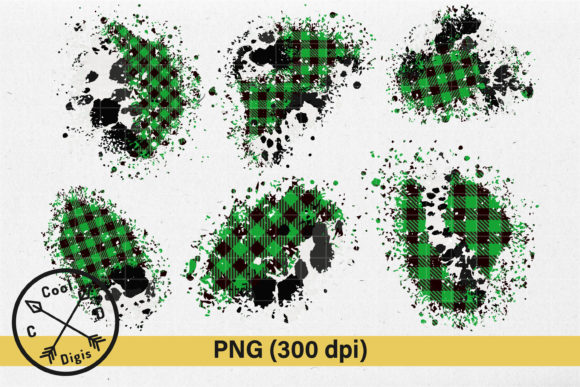
Integrating Green Buffalo Plaid Cow Print Patches into Your Creative Workflow
In the evolving landscape of digital design and textile production, the ability to seamlessly blend rustic aesthetics with modern printing techniques is a valuable skill. Green Buffalo Plaid Cow Print Patches represent more than just a visual trend; they are versatile digital assets that can significantly streamline your creative process. Whether you are a small business owner launching a new apparel line, a hobbyist creating personalized gifts, or a professional designer managing multiple client projects, understanding how to effectively utilize these high-resolution PNG files is crucial for maintaining efficiency and quality.
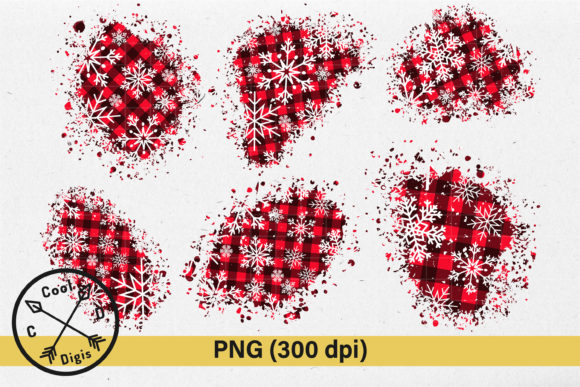
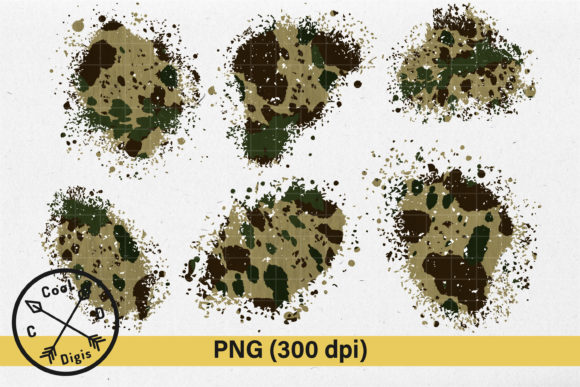
This collection, featuring six distinct elements including distressed cow and buffalo plaid designs, serves as a foundational resource for sublimation printing and digital composition. By integrating these assets into your existing workflow, you can reduce preparation time, ensure consistent output quality, and expand your creative possibilities without starting from scratch.
Preparation and Asset Management
Before diving into the design phase, proper preparation of your digital workspace is essential. The Green Buffalo Plaid Cow Print Patches are delivered as a ZIP folder containing six high-quality PNG files at 300 DPI in RGB color mode. This resolution is critical for ensuring that your final prints remain crisp and detailed, regardless of the size adjustments you make.
Begin by organizing your project directory. Create a dedicated folder for this specific collection to keep your assets accessible. Since these files are large and scalable, they can be resized to fit various dimensions without losing quality. However, maintaining an organized library prevents version control issues later in the process. Ensure you have the necessary software installed, such as Adobe Photoshop, Illustrator, CorelDraw, Inkscape, or GIMP. Familiarity with these tools is a prerequisite for maximizing the potential of sublimation files.
It is also important to verify your hardware compatibility. Sublimation printing requires specific printers and inks that differ from standard inkjet setups. Confirm that your printer supports the RGB color profile provided in the files, as this will directly impact the vibrancy of the green plaid and the contrast of the cow print elements.
Design Integration and Composition
Once your environment is set up, the next step is integrating the patches into your design layout. These elements are particularly effective because they combine two popular rustic motifs: the structured geometry of buffalo plaid and the organic texture of cow print. The distressed effect adds a layer of authenticity, making the designs feel worn-in and vintage rather than digitally sterile.
When working in software like Photoshop or PhotoShop, use the transparent background feature of the PNG files to layer these patches over other graphics. For instance, you might place a green lumberjack clipart element behind a cow print patch to create depth. The key here is to experiment with blending modes. Multiply or Overlay modes can help the distressed textures interact naturally with the base fabric color or background image.
Consider the placement carefully. If you are designing for t-shirts, map out where the patches will sit on the garment template. Centered chest logos, sleeve accents, or full-back prints all require different scaling approaches. Because the files are high resolution, you can scale them up for larger formats like tote bags or wall art without pixelation. This flexibility allows you to repurpose a single design across multiple product lines, enhancing your operational efficiency.
Sublimation Printing Process
Prior knowledge of sublimation is needed to use this file effectively. Sublimation is a heat-transfer process where dye turns into gas under heat and pressure, bonding with polyester fibers. This method produces durable, vibrant prints that do not crack or peel. However, it demands precision.
Start by mirroring your design horizontally before printing. This step is often overlooked but is critical for ensuring that text or directional elements appear correctly on the final product. Print the Green Buffalo Plaid Cow Print Patches onto sublimation paper using your dedicated sublimation printer. Ensure your ink levels are sufficient to avoid banding or color inconsistencies.
Prepare your substrate. For best results, use items with a high polyester content or a polymer coating. Cotton does not accept sublimation dye well, so if you are printing on cotton-blend textiles, consider using a sublimation spray or transferring the design onto a polyester patch that can then be sewn or ironed onto the cotton garment. This hybrid approach expands the versatility of the digital assets.
Set your heat press to the recommended temperature and time, typically around 385-400°F for 40-60 seconds, depending on your specific equipment and materials. Use Teflon sheets to protect both the design and the heat press plates. Apply even pressure to ensure the entire patch transfers uniformly. Uneven pressure can result in ghosting or faded areas, compromising the professional look of the final product.
Quality Control and Color Accuracy
One of the challenges in digital printing is color variance. Please note that colors may vary from screen to screen, printer to printer, and depend on the inks and substrates used. The vibrant green in the buffalo plaid may appear differently on a calibrated monitor versus a printed proof. To mitigate this, perform test prints on scrap material before committing to final production runs.
Develop a quality control checklist. Inspect each printed item for clarity, color saturation, and alignment. Check for any white specks or untransferred areas, which could indicate insufficient heat or pressure. Document your settings for successful prints so you can replicate them in future batches. Consistency is key to building trust with customers or maintaining a cohesive brand aesthetic.
If you notice significant color shifts, adjust the brightness and contrast in your editing software rather than relying solely on printer drivers. Small tweaks in the digital file can compensate for the limitations of physical printing processes. Keep a record of these adjustments for each type of substrate you use, as different materials absorb dye differently.
Expanding Applications Beyond Apparel
While t-shirts are a common application, the utility of Green Buffalo Plaid Cow Print Patches extends far beyond clothing. These digital assets are suitable for web backgrounds, marketing materials, and home decor items. For bloggers and marketers, these textures can serve as engaging visual elements in social media posts or website headers, adding a rustic charm that resonates with specific audiences.
Consider using these patches in digital mockups to showcase products to clients before production. High-resolution PNGs allow for realistic rendering in presentation decks or online stores. Additionally, these designs can be adapted for paper crafts, scrapbooking, or stationery, providing a cohesive look across various merchandise categories.
For educators and creators, these files offer a practical way to teach design principles such as layering, texture mixing, and color theory. By demonstrating how to combine geometric plaid with organic cow print, you can illustrate the balance between structure and randomness in visual composition.
Long-Term Workflow Efficiency
Integrating these assets into your routine is not just about a single project; it is about building a sustainable creative infrastructure. By mastering the use of these high-quality PNGs, you reduce the time spent searching for suitable graphics or creating complex textures from scratch. This efficiency allows you to take on more projects or dedicate more time to strategic planning and customer engagement.
Regularly update your software and maintain your printing equipment to ensure ongoing compatibility. As technology evolves, staying informed about new sublimation techniques or design trends will help you keep your offerings fresh and relevant. The Green Buffalo Plaid Cow Print Patches are a tool, but their value is realized through your skillful application and strategic integration into your broader creative ecosystem.
Ultimately, the goal is to produce high-quality, visually appealing products that meet the needs of your audience. By following a structured approach to preparation, design, printing, and quality control, you can leverage these digital assets to enhance your productivity and elevate your creative output. Whether you are a seasoned professional or a passionate hobbyist, these patches provide a reliable foundation for your next rustic-themed project.